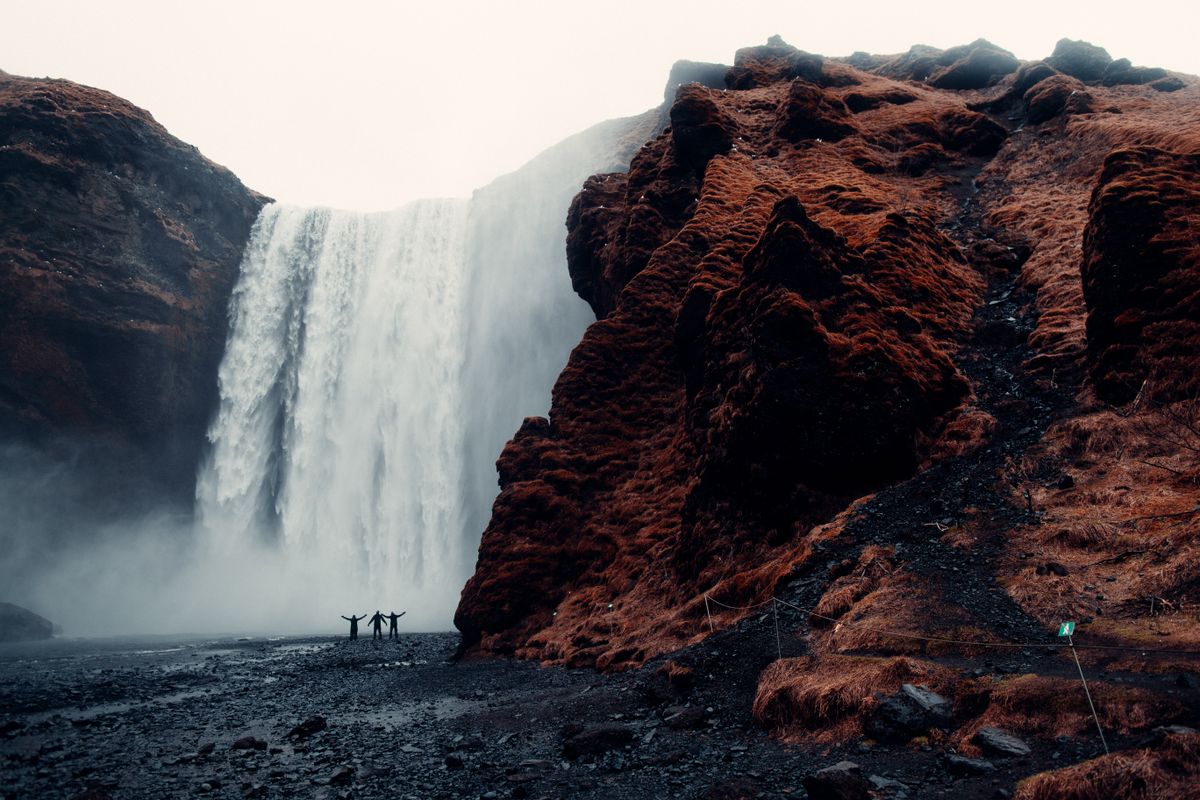
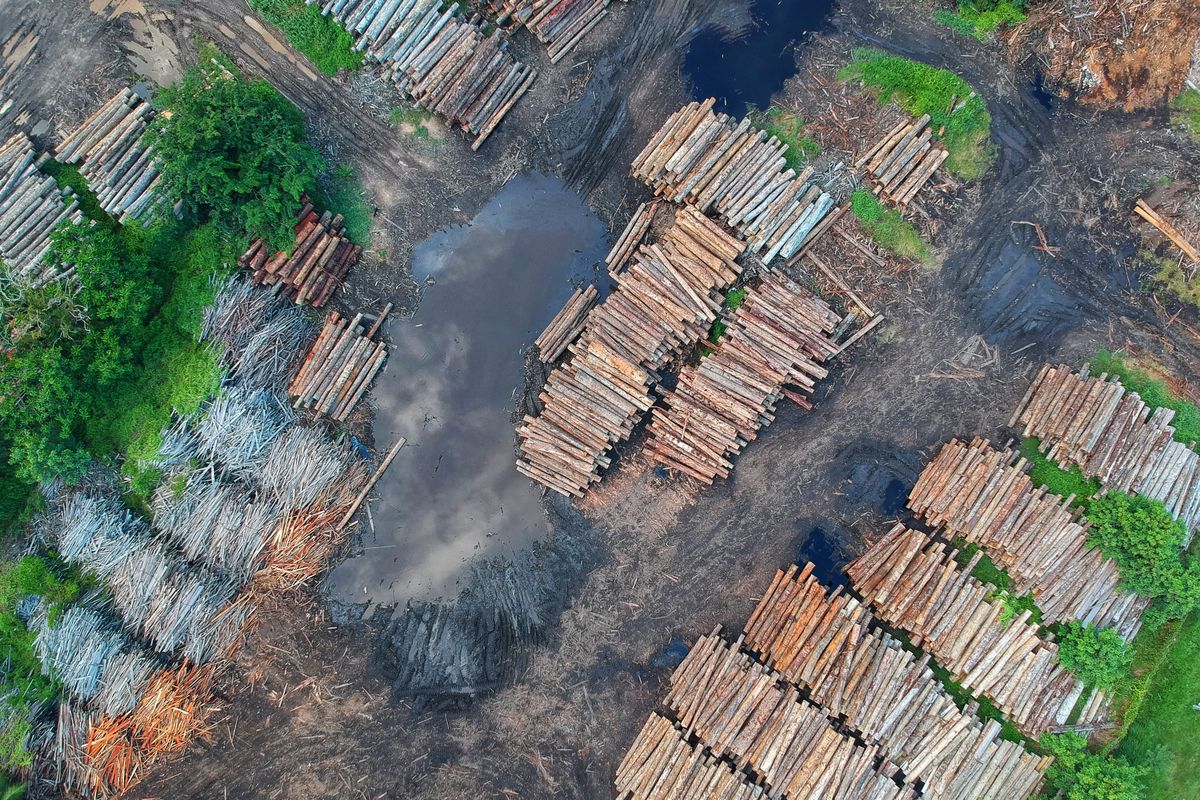
Our field missions combine rigorous biological population dynamics, modern electronic tracking, strict hunting ethics, and community-driven land management to preserve the natural ecosystems of Saint-Pardoux-l'Ortigier in optimal balance.
Through direct cooperation with regional biodiversity bodies and local farmers, we actively protect both wild flora and agricultural livelihoods without commercial objectives or compromise on public safety.
Figure 3.1: Riparian buffer along the communal stream in Saint-Pardoux-l'Ortigier, maintained by our ecological teams as a natural biological corridor for native amphibians, woodland birds, and small mammals.
Notre Mission : Public Interest & Ecological Balance
The Société Communale des Chasseurs de Saint-Pardoux-l'Ortigier operates under the strict regulatory framework of the French Association Loi 1901 as a non-profit civic organization established exclusively for public utility and environmental balance. Our overriding mission is to preserve the delicate ecological equilibrium across the commune's forests, woodlands, waterways, and agricultural landscapes. We actively manage local wildlife populations to prevent severe crop devastation, eradicate disease vectors, and mitigate vehicle collisions on communal roadways. Working in close collaboration with the municipal council, departmental environmental bodies, private forest owners, and farming collectives, we enforce uncompromising safety rules, educate the public on wildlife biology, maintain rural footpaths, and preserve historical woodland heritage for future generations without any commercial transactions or profit distribution.
Rigorous Field Methodologies & Ecological Protocols
Modern wildlife management cannot rely on guess-work or casual observation. The Société Communale des Chasseurs employs validated, quantitative ecological protocols that harmonize with the departmental hunting management plan (Schéma Départemental de Gestion Cynégétique de la Corrèze). Our field interventions are structured around four distinct operational phases:
Phase 1 • Quantitative Census
Pre-Season Population Auditing
Between January and April each year, volunteer census teams carry out nocturnal spotlight counts along six standardized transects covering 42 kilometers of communal roads and forest tracks. Coupled with motion-triggered infrared cameras installed at salt licks and natural drinking pools, this data provides reliable density indices for wild boar, roe deer, and red foxes before any management quotas are finalized.
Phase 2 • Scientific Quotas
Bilateral Quota Allocation
Census data is submitted directly to the Fédération Départementale des Chasseurs de la Corrèze and the Prefecture. Annual harvest quotas (Plan de Chasse) are officially determined by species, sex, and age group to maintain equilibrium without risking population depletion. Every harvested big game animal must be immediately tagged with a tamper-evident serial bracelet supplied by the State before transport.
Phase 3 • Sanitized Field Drives
Controlled Collective Drives
Collective drives (battues) occur solely on designated weekends following public posting of perimeters. Each drive is orchestrated by a certified hunt captain who assigns individual stand locations, checks CE-certified blaze orange gear, verifies firearm unload status during movement, and supervises scent hounds bred specifically to pursue game without cornering or wounding animals.
Phase 4 • Bio-Sanitary Analysis
Veterinary Post-Mortem Audits
Every animal taken is transferred to our communal sanitary preparation station. Certified game meat inspectors examine lymphatic nodes, visceral organs, and dentition to monitor age distributions and detect any signs of transmissible pathologies. Biological samples are dispatched monthly to the Departmental Veterinary Laboratory in Tulle for serological analysis.
Figure 3.2: Certified bio-sanitary inspector verifying game health and collecting diagnostic tissue samples for the Departmental Veterinary Laboratory, maintaining our regional epidemiological shield.
4 Core Field Execution Projects in Saint-Pardoux-l'Ortigier
Our ongoing field programs demonstrate how communal hunting associations provide irreplaceable environmental, economic, and civic services that benefit the entire rural territory.
Program 1 • Agricultural Preservation
Agro-Cynogenetic Defense & Crop Fencing Network
The Corrèze countryside is renowned for its premium Limousin beef cattle and lush grazing meadows. However, foraging wild boar sounders can destroy acres of established grassland in a single night by turning over sod in search of grubs and earthworms. This not only destroys winter forage for livestock but also contaminates silage with soil bacteria (Clostridium botulinum and listeria), posing grave risks to animal welfare and agricultural livelihoods.
To protect agricultural viability, the Société Communale des Chasseurs maintains a permanent response team. We supply, install, and service heavy-duty, solar-powered electrified fencing around vulnerable parcels at zero cost to local farmers. In 2025, our volunteers installed over 12,400 meters of double-strand wire fencing protecting 28 farms across the commune. Furthermore, our teams carry out targeted dissuasive patrols along forest edges at dusk during the critical germination and harvest periods of corn and grain crops.
Direct Impact: Over €35,000 in potential crop damage averted in 2025 across communal farms.
Stakeholder Cooperation: Bi-monthly review meetings with the local branch of the Chambre d'Agriculture.
Figure 3.3: Autumn volunteer work party clearing fallen branches and reopening communal footpaths, ensuring safe access for outdoor walkers and emergency wildfire vehicles.Program 2 • Public Safety & Forestry Infrastructure
A healthy forest requires active accessibility. In rural Corrèze, many ancient bridle paths and timber trails (chemins ruraux) are threatened by encroaching vegetation, fallen timber following winter storms, and water erosion. Without continuous maintenance, these trails become impassable for recreational hikers and, crucially, block access for emergency vehicles and rural firefighters during summer wildfire alarms.
The members of our association dedicate over 600 collective volunteer hours annually to clearing, pruning, and grading these vital arteries. Using association-owned brush-clearing machinery and personal chainsaws operated under strict forestry safety rules, our work parties keep 38 kilometers of footpaths open to the public. In addition, our members systematically report illegal garbage dumping, broken farm fences, and diseased oak stands to municipal authorities, acting as vigilant guardians of the countryside.
Infrastructure Maintained: 38 kilometers of multi-use public trails kept safe and clear.
Civic Coordination: Coordinated directly with the municipal works department of Saint-Pardoux-l'Ortigier.
Figure 3.4: Environmental discovery session organized for local youth, teaching animal track identification, woodland botany, and the ecological roles of native forest wildlife.Program 3 • Environmental Education
Environmental stewardship cannot endure without passing ecological knowledge to the next generation. Our association regularly hosts non-commercial nature discovery walks and ecological education workshops for school groups, youth clubs, and local residents. Led by our certified naturalists and veteran trackers, these sessions introduce participants to the intricate biology of Corrèze fauna.
Participants learn to decipher footprints in damp earth, recognize browse marks on tree bark, identify bird calls, and understand how predator-prey relationships operate in temperate deciduous woodlands. By teaching citizens how to read the landscape, we foster deep respect for natural rhythms and dismantle urban misconceptions about wildlife management.
Educational Outreach: 6 annual field workshops provided completely free of charge to the public.
Educational Material: Printed biodiversity guides distributed to participating families and school libraries.
Figure 3.5: Sworn communal game wardens patrolling perimeter boundaries in Saint-Pardoux-l'Ortigier, deterring unlawful night poaching and checking compliance with environmental statutes.Program 4 • Environmental Justice
Illegal hunting, unauthorized spotlighting at night (braconnage), and the use of unlawful snares represent grave threats to wildlife welfare, public safety, and private property rights. Furthermore, unregulated trespassers often leave gates open, allowing cattle to escape onto public roadways, or discard dangerous metallic debris in pastures.
Our association deploys sworn communal eco-wardens (gardes-chasse particuliers assermentés) commissioned by the Prefecture and sworn before the Judicial Tribunal of Brive-la-Gaillarde. Working under the supervision of the Gendarmerie Nationale and the Office Français de la Biodiversité, our wardens conduct randomized night patrols along vulnerable rural sectors. Their presence ensures that private land covenants are respected, hunting regulations are enforced without exception, and unlawful poachers are swiftly prosecuted under the French Environmental Code.
Surveillance Coverage: 100% of enrolled private and communal woodlots patrolled weekly.
Legal Enforcement: Formal violation reports transmitted directly to the Public Prosecutor of Brive.
Public Utility Reinvestment Guarantee
"All membership fees and public contributions are fully reinvested in the association's public interest missions. The Société Communale des Chasseurs de Saint-Pardoux-l'Ortigier operates with absolute financial integrity. We do not sell products or commercial services. Our technical field methodologies, protective fences, trail cleanups, and educational workshops are provided entirely for the public benefit of Saint-Pardoux-l'Ortigier and its surrounding rural territory."
Transmission Received
Thank you for reaching out to the Société Communale des Chasseurs de Saint-Pardoux-l'Ortigier. Your communication has been officially logged in our volunteer and civic correspondence registry. A member of our executive bureau will respond promptly.